
Chicken Roll Game — What Every Lane Actually Costs
One chicken, a row of lanes and a multiplier that climbs until it stops. This site takes the game apart in numbers: what each step is worth, what the difficulty modes really change, and why the cash-out button is the only control a round gives you.
See the numbers
Table of Contents
Three Ways to Sit Down, One Set of Odds
The stake changes what an hour costs, not what a round does. These are the three levels Indian players actually use, with the arithmetic written out rather than implied.
Paisa level
Testing the lanes without thinking much about the money.
- Demo mode first, then the smallest real stake
- About ₹600 turnover in an hour of one-minute rounds
- Easy mode, 24 lanes, shallow multipliers
- A cash-out target chosen before the round opens
- Bonus wagering rarely clears at this level
- The steep top-end lanes stay out of reach
Standard level
Where most players settle after the first week.
- Around ₹3,000 turnover in an hour at this pace
- Medium mode: fewer lanes, a faster climb
- Most rounds stopped between 1.5x and 2x
- Session limit set in rounds rather than minutes
- Bonus terms read before the deposit, not after
- Withdrawal tested once with a small amount
High-roller level
Bigger swings, identical house edge, shorter sessions.
- Roughly ₹12,000 turnover in a single hour
- Hard and hardcore modes with steep multipliers
- One bad lane costs a whole session budget
- Deposit limits worth setting at account level
- Withdrawal times matter more than bonus size
- The tier predictor apps are actually sold to
How the Game Changed Between Releases
Four builds, each rebalancing something a player can feel. Worth checking before trusting a guide, since most of them describe lanes that no longer exist.
Chicken Road 1.0
The original crossing with a fixed step multiplier and a single difficulty. Most of the old tutorials and screenshots still circulating come from this build.
RetiredChicken Road 2
Added difficulty modes, changed the lane count and steepened the multiplier curve at the top end. This is the build searches for chicken roll 2 game are looking for.
Most playedLive and branded skins
Operator and studio skins — Live tables, 777 variants, regional rebrands — running the same engine under a different logo and a different minimum stake.
Widely clonedCurrent builds
Provably fair seeds exposed in the interface, tighter demo modes and clearer step tables. Worth confirming which one an app ships before following any guide.
In rotationFour Figures Worth Memorising
Where every round starts
The multiplier before the first step. Cashing out at this point returns the stake and nothing more, which is why the button does nothing until you move.
Typical return to player
Published by the studio and applied to turnover. The remaining share is the house edge, charged on every round whether it wins or loses.
Lanes in easy mode
Harder modes have fewer lanes and bigger jumps per step. Coverage and payout move in opposite directions, exactly as they do in any other bet.
Predictors that beat a control
Across every hack app, signal group and pattern file we have logged against randomly chosen cash-out points.
One Round, Step by Step
Four moments, and only one of them contains a decision. It is usually not the one players spend their attention on.
Set the stake and the mode
Before anything moves. The mode fixes how many lanes there are and how fast the multiplier climbs; the stake fixes what every step is worth in rupees.
Take the first step
The chicken moves one lane and the multiplier ticks up. Each step carries the same chance of ending the round, and that chance does not soften as the number grows.
Decide whether to stop
The only real control in the game. The multiplier on screen is what you receive if you press cash out now, and nothing about the steps already survived makes the next one safer.
The round settles
Either the cash-out lands at the multiplier shown, or the lane ends it and the stake is gone. The next round opens at 1.00x with no memory of this one.

A Farmyard Skin Over a Cash-Out Round
1500+Strip away the chicken and the traffic and what remains is a step-multiplier round: a growing number, a fixed chance of ending at each step, and one button. We keep this site at that level of description because it is the level at which the game can actually be reasoned about — and because the guides that add lucky lanes and hot streaks are describing something the software does not contain.
read the round guideScreens You Will Actually See
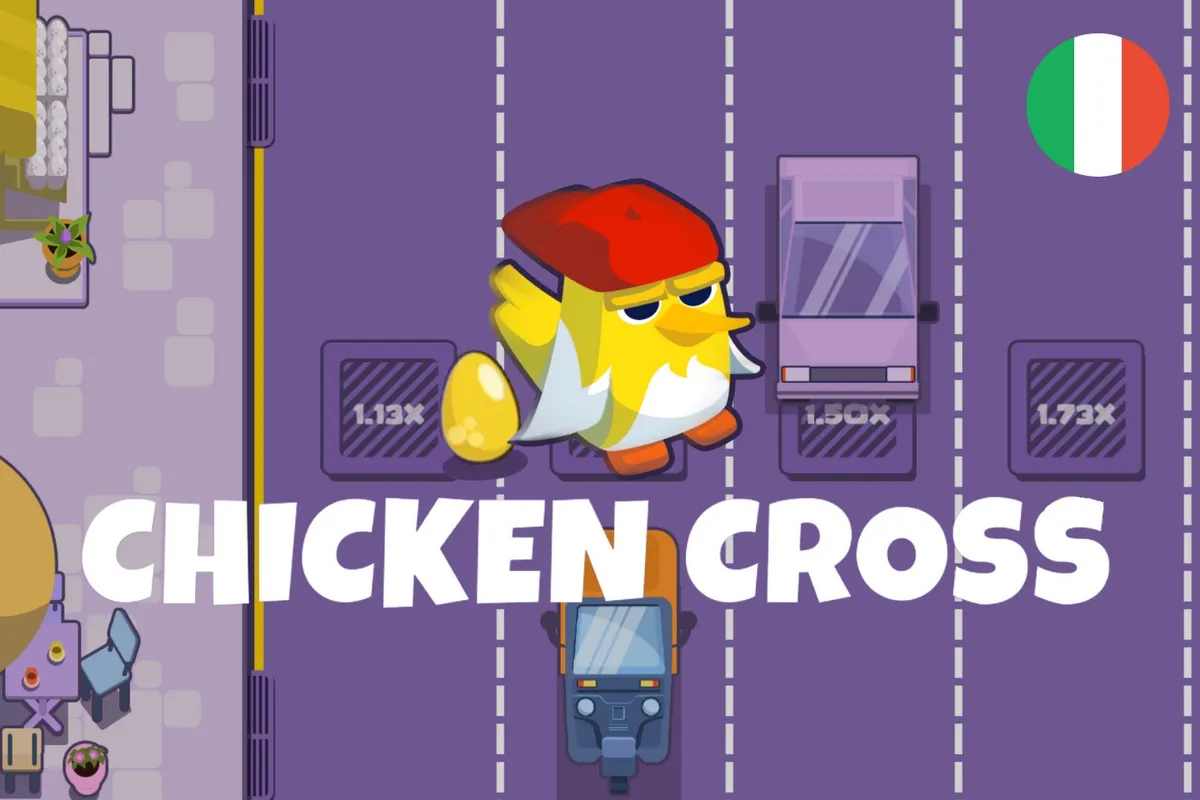
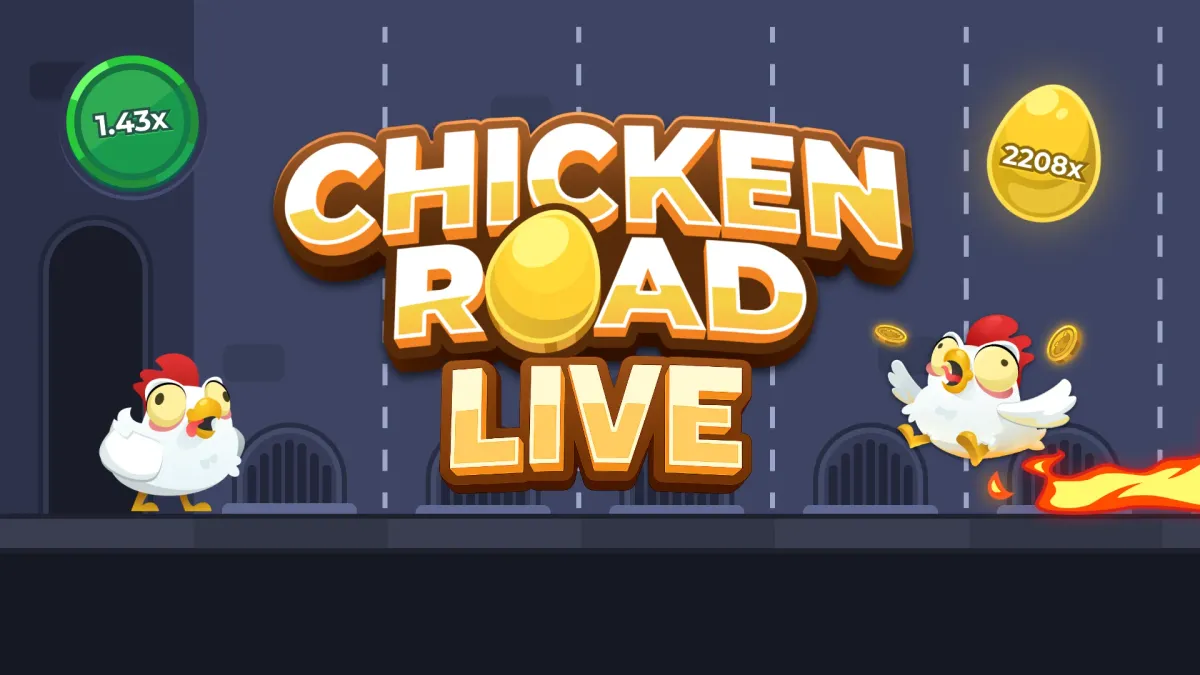
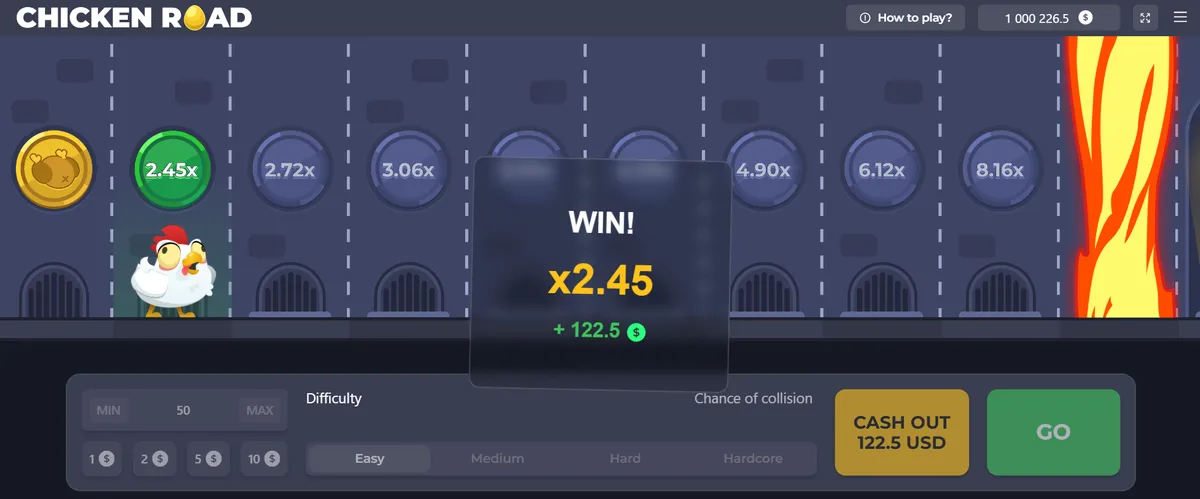
Captioned shots from the builds in circulation in India, so you can tell which version a guide or a screenshot belongs to.





Six Things That Change Your Result
None of them is a pattern, a lane to avoid or a lucky hour. All six are settings or habits fixed before the round starts.
Difficulty mode
It sets both the number of lanes and how steeply the multiplier climbs. Choosing it is a larger decision than anything available mid-round.
01Stake size
Multiplied by rounds per hour it becomes turnover, which is the figure the house edge is applied to. Halving it halves what the session costs.
02A cash-out target set in advance
Deciding the multiplier before the round removes the moment where a climbing number makes the decision on your behalf.
03Session length counted in rounds
Rounds rather than minutes, because a fast round and a slow one cost very different amounts over the same hour.
04Which build you are playing
Version 1.0, Chicken Road 2 and the branded skins use different step tables. A guide written for one is simply wrong about the others.
05Where the app came from
A store listing, the studio's own site, or a file forwarded in a chat. The third route is where the permission problems live.
06What Players Report
Six notes from Indian players, edited for length. They are impressions rather than evidence, and the unflattering ones are here too.
The thing that changed my sessions was writing the cash-out number down before pressing start. Same game, same losses, but the evening now ends where I said it would instead of three hours later.

Matthew Slots
Plays on medium mode
I ran the demo for a week before depositing and it looks identical to the real thing, which is the point of it. What it does not prepare you for is how differently you press the button once it is your money.

SlotsBoom Casino
Streams the browser build
Chicken Road 2 climbs much faster at the top, so the old advice about holding for 5x got expensive quickly. Worth checking which build a guide was written for before following it.

AA Slots
Two years across both versions
Tried three predictor apps that all told me which lane was safe. All three were wrong about as often as guessing, and one asked for accessibility permission, which is where I stopped.

LasVegasVP
Tested three predictor apps
Ten rupees a round sounds harmless until you count that it is sixty rounds in an hour. Turnover was the number I had never once looked at.

Adrenaline Slots
Small stakes, long sessions
Tested the withdrawal with five hundred rupees before putting anything real through the account. It took two days the first time and a few hours after that.

Jackpot Judo
Withdraws monthly
FAQ
Six questions that come up most often in Indian searches for this game, answered without the marketing.
Is the chicken roll game real or fake?
The game is real software from a licensed studio and money genuinely moves in both directions. What is usually fake is the market around it — predictor apps, hack files and guaranteed-win pdfs.
How do I download the chicken roll game?
Through the operator's own site or an official app store. Files forwarded in chats are repackaged builds, and the permissions they request are the reason they cost nothing.
What is chicken roll 2 game?
The second release. It added difficulty modes, changed the lane count and steepened the multiplier curve, which is why older guides describe rounds that no longer behave the same way.
Can I play for real money in India?
Real-money availability depends on your state and the rules differ substantially across the country. Demo mode works everywhere and behaves identically apart from the balance.
Do chicken roll hack apps work?
No. The outcome of a step is produced on the operator's servers after you take it, so nothing installed on a phone can see it in advance or change it.
What is the best cash-out multiplier?
There is no best one — every stopping point carries the same expected cost. What a fixed target buys you is a decision made calmly instead of one made while a number is climbing.